TSMC has filed a lawsuit against its former Senior Vice President Wei-Jen Lo, accusing the veteran executive of illegally obtaining advanced process technology data—including 2nm, A16, and A14 node information—before retirement and taking those trade secrets to Intel, where he became Executive Vice President shortly after leaving TSMC.
The complaint was formally submitted to Taiwan's Intellectual Property and Commercial Court on November 25.
TSMC Alleges Breach of Secrecy and Non-Compete Agreements
According to TSMC, Lo had signed both confidentiality and 18-month non-compete agreements during his 21-year tenure. The company says he violated both.
TSMC revealed that in March 2024, Lo was reassigned from advanced process R&D to the Corporate Strategy Development division—a staff unit that does not manage technology development. However, despite no longer overseeing R&D, Lo continued summoning engineers from the R&D organization to brief him on ongoing and future advanced node plans.
During his exit interview on July 22, 2025, TSMC's General Counsel Sylvia Fang asked about his post-retirement plans. Lo reportedly replied he would join an academic institution, without disclosing his intention to join Intel. Yet within weeks, he became Intel's Executive Vice President.
TSMC argues there is a "high probability" Lo used or transferred confidential information to Intel, necessitating legal action including claims for damages.
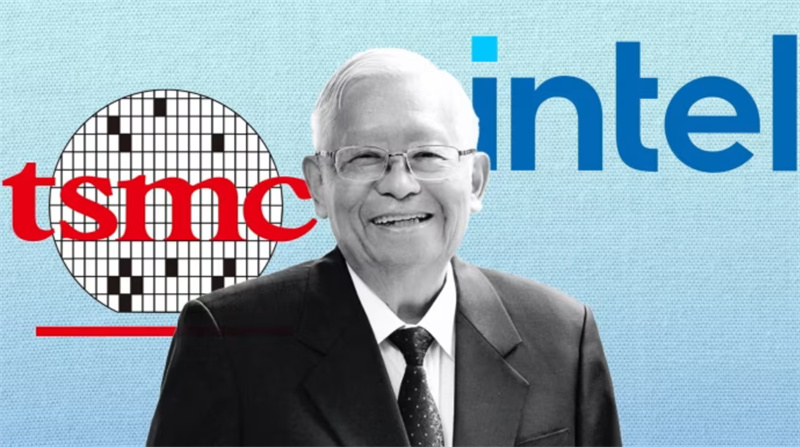
A Veteran Technologist at the Center of a Major Trade-Secrets Dispute
Lo, a U.S. citizen, previously spent 18 years at Intel before joining TSMC in 2004. At TSMC he contributed to the company's leading-edge process development, helped introduce EUV, and led multiple strategic initiatives such as the 7×24 development model and closer R&D-manufacturing integration. He received the TSMC Medal of Honor from founder Morris Chang for his contributions.
After retiring at age 75 on July 27, 2025, Lo held TSMC stock worth nearly NT$2 billion (about USD 63 million), and had earned over NT$8 billion in salary during his eight-year retirement extension—putting his net worth well above USD 100 million.
Reports in Taiwan claim Lo requested large volumes of 2nm and advanced-node documents ahead of retirement, raising concerns he may have taken sensitive information to Intel, which is aggressively expanding its foundry business with strong U.S. government backing.

Intel Responds, but Questions Remain
Intel CEO Lip-Bu Tan said last week in San Jose that allegations about using TSMC trade secrets are "rumors and speculation," adding that Intel respects intellectual property.
Industry analysts note, however, that even if Intel does not use any proprietary documents, Lo's deep technical experience could still influence Intel's manufacturing roadmap in ways that cannot be practically restricted.
Others question whether TSMC can effectively enforce non-compete provisions against a U.S. citizen working in the U.S., even with a court ruling in Taiwan.
Intel has not issued an official response since the lawsuit was filed.
Broader Fallout in Taiwan
Taiwan's Ministry of Economic Affairs said it respects TSMC's legal action and has launched its own review to determine whether national-security-related technologies were compromised. Authorities also confirmed that Taiwan's investigation agencies have begun probing the case.
The ministry is additionally considering revoking Lo's honorary Industrial Technology Research Institute (ITRI) fellowship, although current rules do not yet specify a mechanism for withdrawing the title.
+86 191 9627 2716
+86 181 7379 0595
8:30 a.m. to 5:30 p.m., Monday to Friday


